The history
Revue and Parque Mayer
Before cabaret dinners, Lisbon had the teatro de revista and a pleasure ground of theatres called Parque Mayer. What they were, and what still stands.
Reserve your cabaret table ↗Quick answer
Lisbon's closest native relative of cabaret is the teatro de revista, a popular form of comic sketches, satire and musical numbers with dancers in plumes and sequins. Its home was Parque Mayer, a pleasure ground of theatres beside Avenida da Liberdade that opened in 1922. The form had lost its audience by the 1990s, but three theatres remain. None of this is connected to the dinner you are booking; it is the city's own background.
What a revue was
The teatro de revista is traced to France in the later 18th century, with a function of protest from early on. It reached Portugal in the 19th century, and the first revue in the Portuguese style played at the now-vanished Teatro Gymnasio late in that century. Like operetta it combined music, dance and theatre, but it lacked a single thread of action. A general theme held together a relaxed sequence of numbers, in which individual turns alternated with groups of dancers.
Satire under the censor
The form's great years in Portugal came in the 20th century, and many of them fell under the Estado Novo, whose censors watched the stage. Revues could still carry more or less pointed messages, with political and social criticism tucked inside comic scenes, and the theatre became one of the few places with some freedom of expression. After the April revolution, that freedom was simply available everywhere. That helped bring about the genre's decline: a joke at the regime's expense means less once anyone can say it aloud.
The park opens
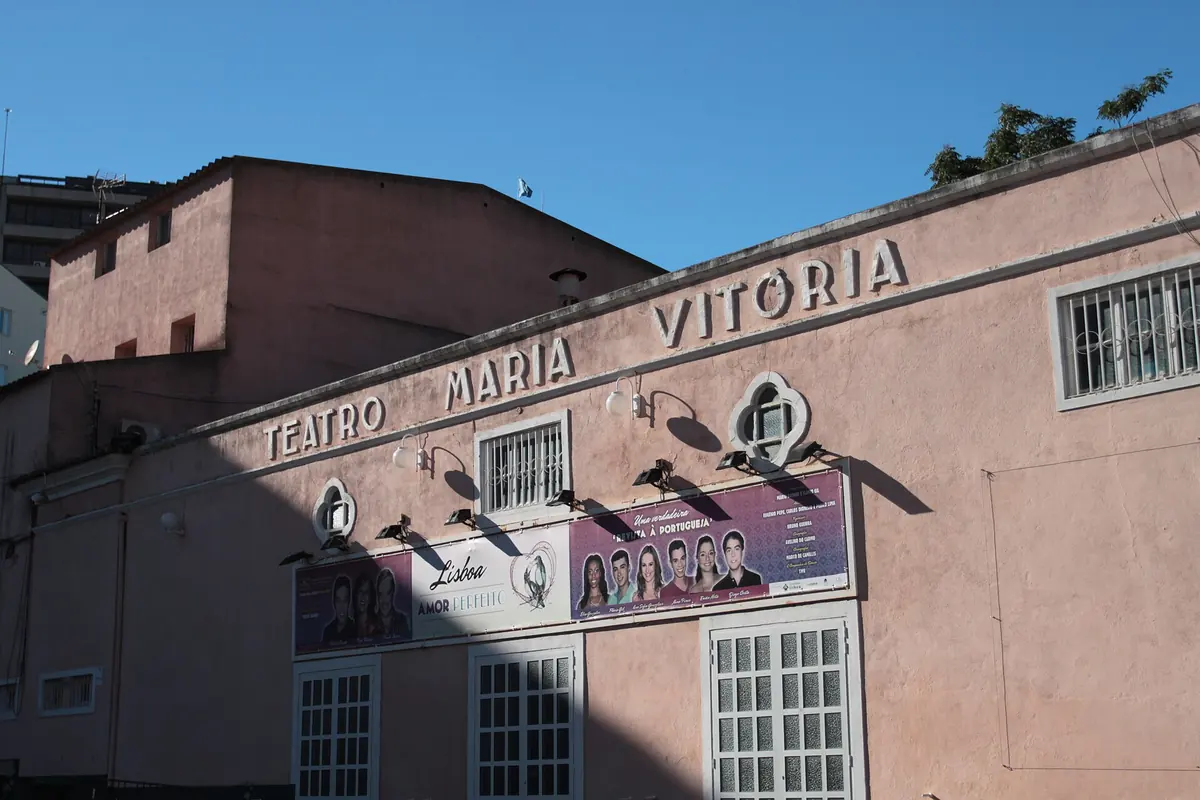
Parque Mayer took over land that had belonged to the gardens of the Mayer Palace, built in 1901 and owned by Adolfo de Lima Mayer. In 1921 the site passed to Luís Galhardo, a man of the theatre who dreamed of a place devoted to amusement. It opened in June 1922, and the Maria Vitória theatre, named after an actress who had died a few years before, began in July with the revue Lua Nova. The Variedades arrived in 1926, the Capitólio in 1931 and the ABC in 1956.
A night out at the park
It was never only theatres. The grounds had restaurants, carousels, terraces, pavilions and shooting galleries, along with fado houses, and at various times cinema, wrestling and boxing. Portuguese Wikipedia calls it a bohemian place above all others, where ordinary revellers, the political elite and Lisbon's intellectuals all turned up. Another nickname survives on the page for its main theatre, the Broadway of Lisbon. In practical terms, this was a whole evening of food, drink and shows within a single gate.
The Capitólio
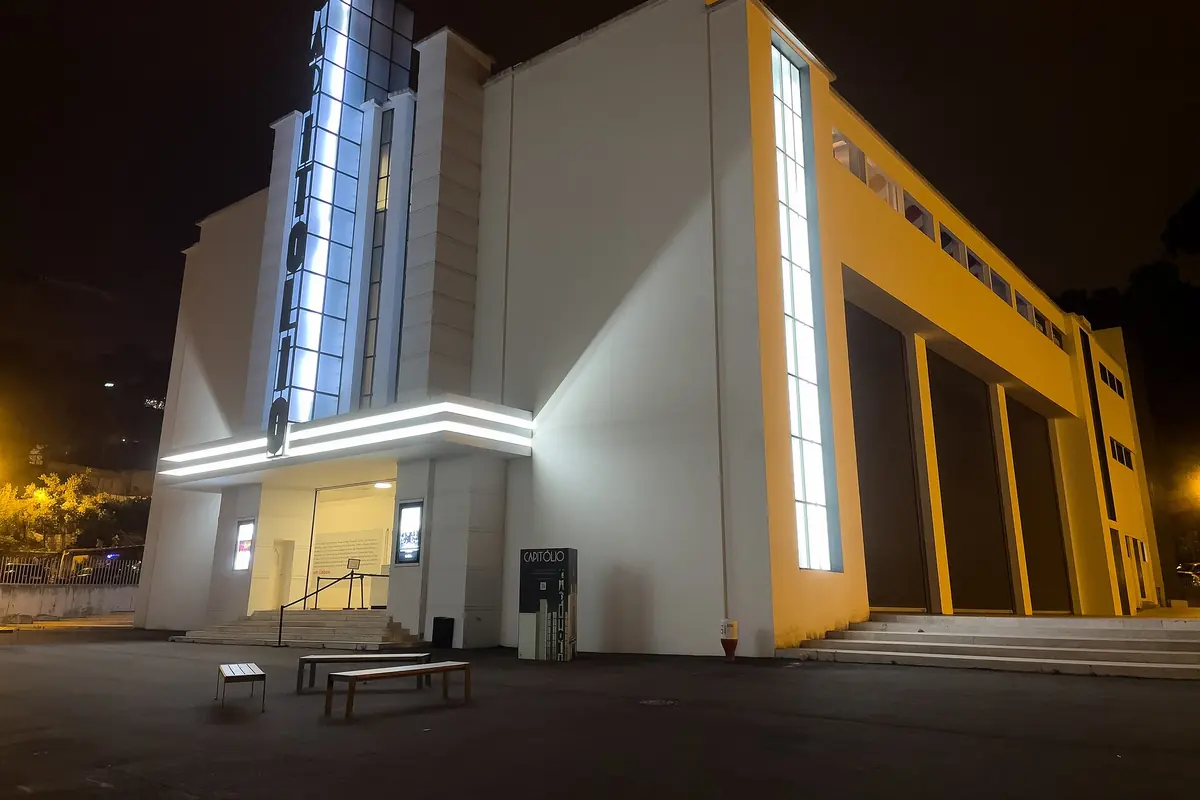
The building most worth seeing is the Capitólio, designed by the architect Luís Cristino da Silva and opened in 1931. It set simplified art deco elements inside a pure, rational outline, and combined a theatre, music hall and cinema under one roof, with an open-air cinema on the terrace above. It belongs to the first modernist period in Portuguese architecture. After extensive rehabilitation it reopened in October 2016, and it won the Valmor Prize for that year. It now carries the name of the revue star Raul Solnado as well.
What you can see now
From the 1990s, as revue lost its audience, the park began to decay, and it spent years caught in legal disputes over the land. By 2025 three theatres and a handful of restaurants remained: the Maria Vitória, the reopened Variedades and the Capitólio, with the ABC demolished. The park stands beside Avenida da Liberdade, so you can see the buildings during the day. Check what is on before planning an evening there, since a Portuguese-language revue is a very different night from the dinner on this site.
From the park to the table
There is no line of descent from these theatres to any particular dinner in the city today, and the venue on this site makes no such claim. The connection is one of appetite. Lisbon has long enjoyed glitter, music and a little cheek, along with a meal and a drink in the same evening. Knowing about the revue will not change what is on your plate, but it does mean you will notice the theatres on your way down the avenue and understand why they are there.
Sources